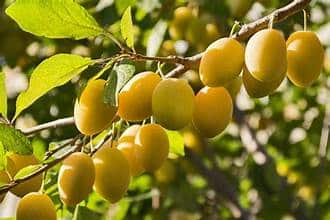
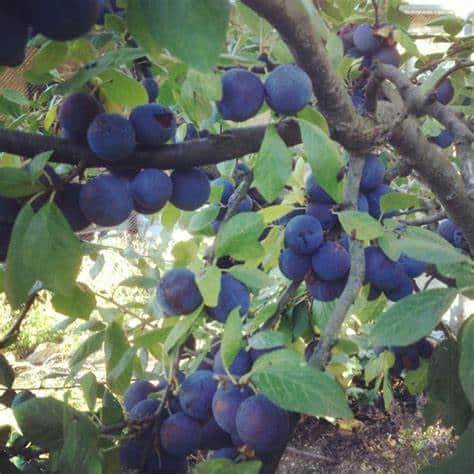
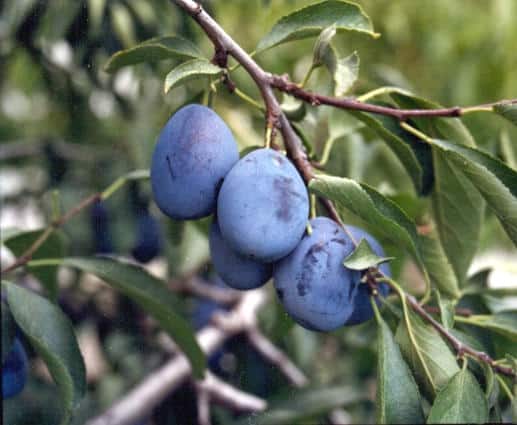
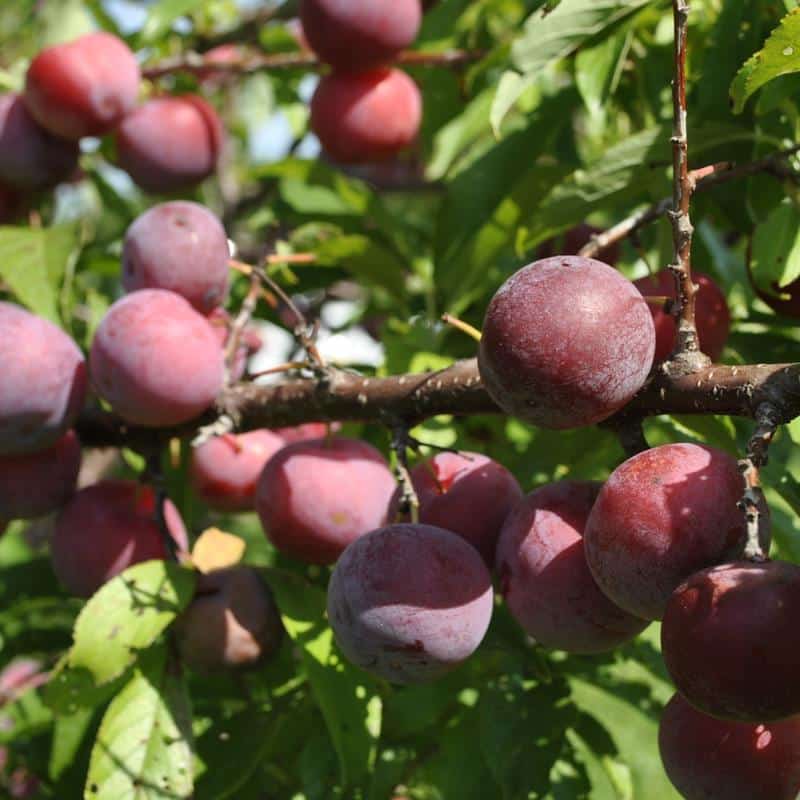
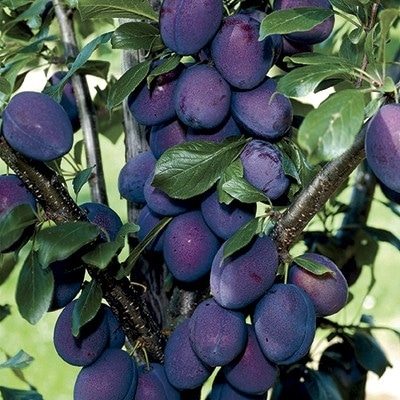
Description Shropshire Damson is a classic English plum grown for what it becomes rather than how it tastes fresh. Valued for its deep color, sharp acidity, and intensity once cooked, this traditional damson has long been favored for preserves, syrups, baking, and spirits where sweet plums fall flat. Unlike dessert plums, damsons are intentionally high in acid and tannin. Fresh off the tree, the fruit is small, firm, and sharply flavored—but when cooked, those same traits translate into structure, color, and depth that few plums can match. This is why damsons remain a cornerstone of traditional jams, pies, sauces, and damson gin. Shropshire Damson also earns its place through reliability. It flowers late, ripens late, and produces consistently even in cool or damp climates where other plums struggle to finish well. Overview Traditional English damson plum High-acid fruit for cooking and preservation Late flowering and late ripening Extremely reliable in marginal plum climates Self-fertile and productive once established Growing Details Latin Name: Prunus domestica ’Shropshire Damson’Site and Soil: 1/2 day to full day of sun; well-drained soilChill Requirement: Approx. 700–900 hoursHardiness: USDA Zone 4–9Rootstock: Own-root or standard European plum rootstock (varies by propagation source)Bearing Age: 1–3 yearsSize at Maturity: Typically maintained at 12–15 ft tall and wide with pruningFlowering Time: Late flowering (within plum types)Ripening Time: Late season; typically September into early October depending on climatePollination: Self-fertile; no pollination partner requiredPests & Diseases: Generally dependable; late season reduces early disease pressureYield: Heavy and consistent once established Additional Notes Grower’s Insight: Shropshire Damson should be judged by what it produces in the kitchen, not at first bite. Its acidity and tannin are exactly what give preserves and spirits their depth. Regional Insight: Particularly well suited to cooler, wetter regions where dessert plums may fail to sweeten fully. A strong performer in the Pacific Northwest and similar climates. Fruit is small by dessert-plum standards but highly concentrated. Expect best results when harvested fully ripe and processed promptly.