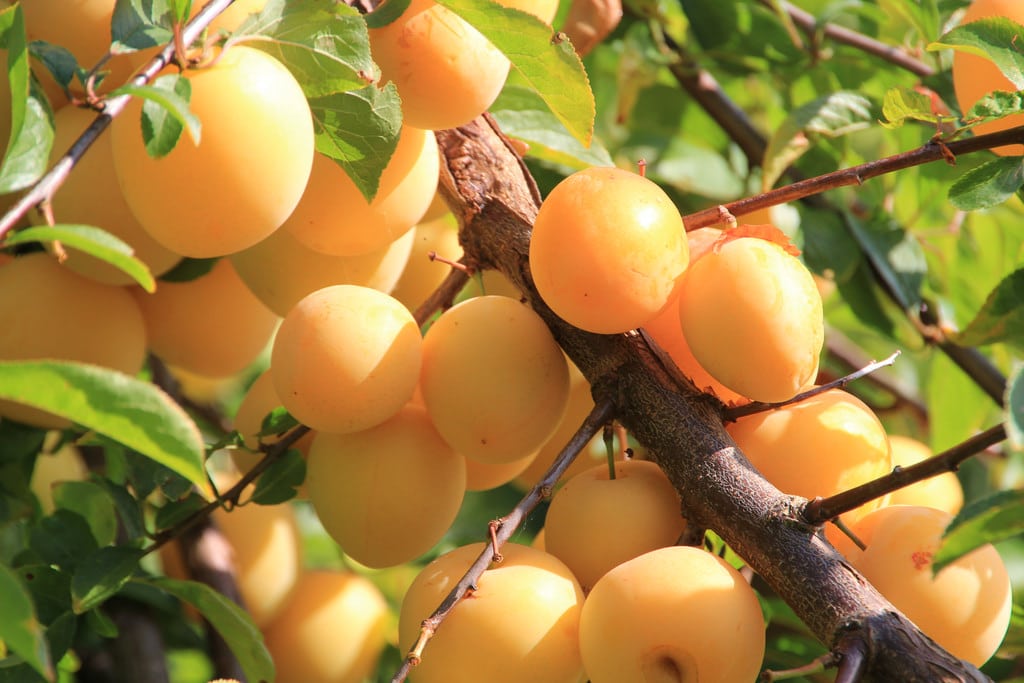
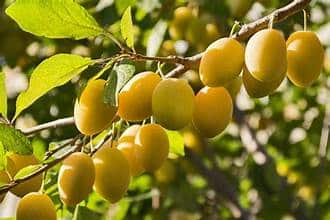
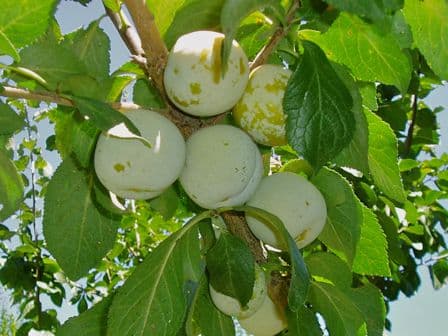
Description Yellow Egg is a traditional European plum valued for exceptionally large fruit and dependable late-season harvests. It ripens toward the end of the European plum window, extending the season with eye-catching, golden fruit when earlier varieties are finishing. Originating in England centuries ago, Yellow Egg earned its place for size and reliability rather than complexity of flavor. The fruit is mild and lightly sweet, with firm flesh that holds its shape well on the tree and through harvest. While not bred as a dessert-first plum, Yellow Egg is approachable when fully ripe and especially appreciated for its versatility. Growers value it for the sheer scale of the fruit and the way it fills the late-season gap in European plum harvests. Overview Heirloom European plum with very large fruit Pale yellow to yellow-green skin with yellow flesh Mild sweetness and firm texture Late-season ripening within European plums Pollination recommended for consistent crops Growing Details Latin Name: Prunus domestica ’Yellow Egg’Site and Soil: 1/2 day to full day of sun; well-drained soilChill Requirement: Approx. 800–900 hours (best available estimate)Hardiness: USDA Zone 5–9Rootstock: Marianna 2624Bearing Age: 1–3 yearsSize at Maturity: Typically maintained at 10–14 ft tall and wide with pruningFlowering Time: Mid flowering (within European plums)Ripening Time: Late season (within European plums); often late September depending on regionPollination: Pollination recommended; plant a compatible European plum within 20–30 feetPests & Diseases: Standard European plum considerations; good airflow is beneficialYield: Consistent once established Additional Notes Grower’s Insight: Yellow Egg is grown for size and timing—few European plums deliver fruit this large so late in the season. Regional Insight: Performs well in temperate regions with sufficient winter chill, extending the European plum harvest into early fall. Fruit size can be impressive; thinning in heavy years helps improve uniformity. European plums require European pollination partners; Japanese plums will not pollinate Yellow Egg. Explore more plums in our collection: Plum Trees