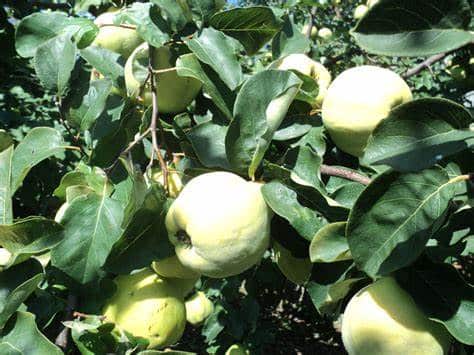
Quince Tree (Cooke’s Jumbo)
$ 35.99
- Categories: Vallejo Metal Color, Apparel, Pos Printers, All Brands, Cuttlefish Colors
- Description Cooke’s Jumbo Quince is a California-discovered culinary quince valued for producing exceptionally large fruit and reliable fall harvests. It’s best known for scale—often described as yielding quinces far larger than standard varieties—making it especially useful for preserves, baking, and quince paste. The fruit is pear-shaped with yellow to yellow-green skin and firm white flesh, ripening in mid to late fall depending on climate. When cooked, Cooke’s Jumbo develops the classic quince aroma and texture prized in traditional recipes, with the added advantage of fewer fruits needed for large batches due to its size. This variety is grown for impact and efficiency rather than fresh eating. Productive and straightforward, Cooke’s Jumbo remains a favorite among growers who want a true culinary quince that delivers volume, consistency, and classic cooked flavor. Overview Culinary quince selected for exceptionally large fruit Pear-shaped quinces often far larger than standard varieties Excellent for baking, preserves, and quince paste Dependable fall ripening with heavy yields Self-fertile and productive once established Growing Details Latin Name: Cydonia oblonga ’Cooke’s Jumbo’Site and Soil: 1/2 day to full day of sun; well-drained soilChill Requirement: Approx. 100 hoursHardiness: USDA Zone 5–9Rootstock: QuinceBearing Age: 1–3 yearsSize at Maturity: Typically maintained at 12–15 ft tall and wide with pruningBloom Time: Mid-springRipening Time: Mid to late fall; typically September–October (varies by region)Pollination: Self-fertile; additional quince may improve yieldPests & Diseases: Standard quince considerations; monitor for fire blight where presentYield: Heavy yields once established Additional Notes Grower’s Insight: Cooke’s Jumbo was discovered near Dinuba, California and introduced commercially by the L. E. Cooke Company in 1972. It’s often described as a chance selection—possibly related to Smyrna—chosen specifically for its unusually large fruit size. That origin explains its lasting appeal: fewer fruits are needed to produce substantial quantities of paste, jelly, or baked goods. Regional Insight: Performs especially well in regions with warm, dry summers and cool fall ripening, including much of California and the Pacific Northwest. Its low chill requirement also allows it to fruit reliably in milder winter climates. Because of its size, fruit may benefit from light thinning in heavy-set years. Harvest when fruit is fully colored and strongly aromatic for best culinary quality.