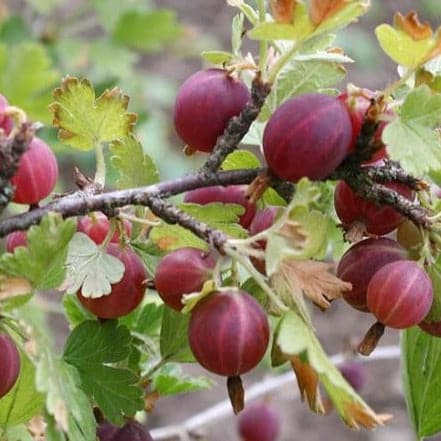
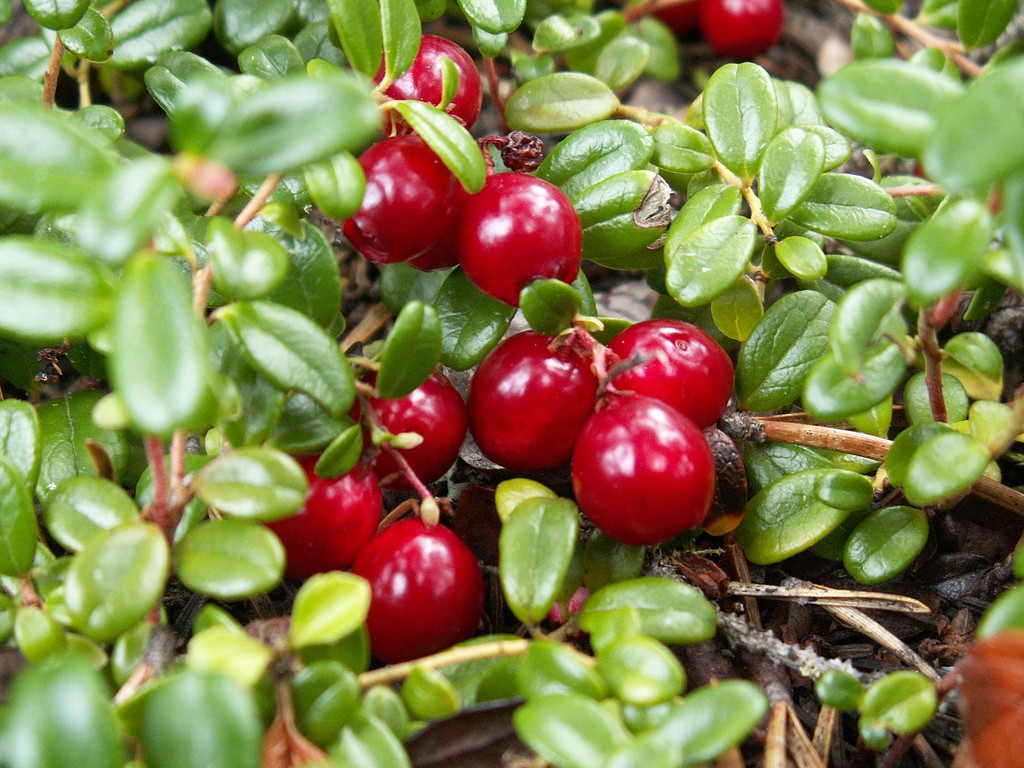
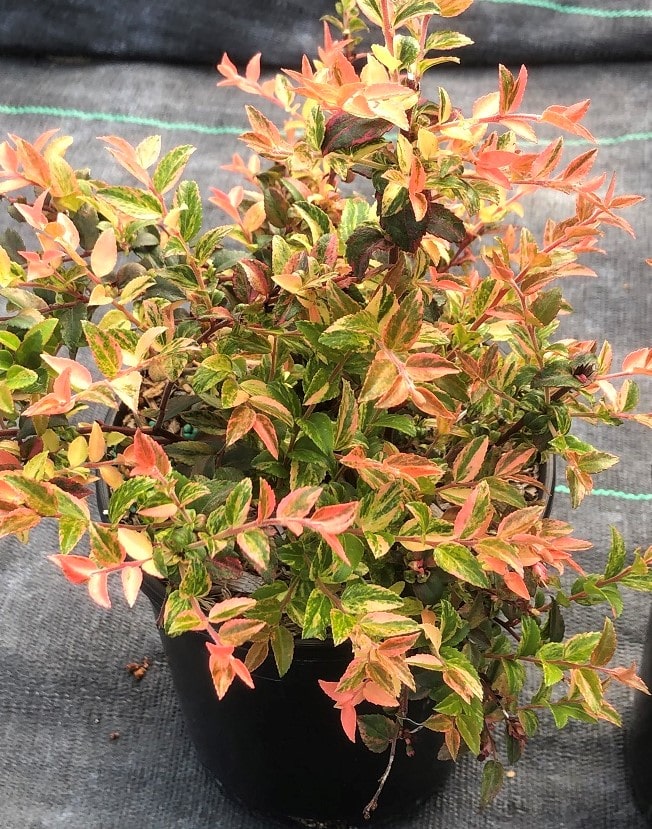
Description Red Berry is a clove currant selection differentiated primarily by fruit color. In spring, the plant produces clusters of yellow flowers with the strong clove-like fragrance that defines clove currants. As the season progresses, those flowers mature into red berries rather than the darker fruit more commonly associated with the group. Clove currants (Ribes aureum) are edible currants grown for fruit, fragrance, and adaptability. The name “golden currant” refers to the flower color, not the fruit. Depending on the selection, berries may ripen yellow, red, or dark purple-black. Red Berry represents the red-fruited expression within this group. Across selections, clove currants share a similar growth habit, bloom timing, and general performance. The fruit is aromatic and best used in preserves, syrups, sauces, and infusions rather than as a dessert-style fresh berry. Red Berry is typically chosen for growers who want the visual distinction of red fruit while retaining the defining characteristics that make clove currants resilient, low-input shrubs. Overview Red-fruited selection of clove currant Strongly fragrant spring bloom (signature trait) Aromatic fruit suited to culinary use Adaptable shrub with low-input needs once established Shares habit and season with other clove currants Growing Details Latin Name: Ribes aureumSite and Soil: 1/2 day to full day of sun; adaptable to most well-drained soilsHardiness: USDA Zone 3–8Rootstock: GraftedBearing Age: 1–2 yearsSize at Maturity: Typically 5–7 ft tall and wideBloom Time: SpringRipening Time: Mid to late summer (varies by region)Pollination: Generally self-fertile; yields may improve with another clove currant planted within 20–30 ftPests & Diseases: Generally low; good airflow and drainage support best healthYield: Moderate to good once established Additional Notes Grower’s Insight: In clove currants, berry color varies naturally across selections. Red Berry is grown specifically for its red fruit while retaining the fragrance and growth habit typical of the group. Regional Insight: Clove currants perform well across the Midwest, Plains, Intermountain West, and much of the Pacific Northwest, where their adaptability often exceeds that of black currants. Fruit is best suited to preserves, syrups, sauces, and infusions rather than fresh eating. Explore more currants in our collection: Currants